How to Achieve Better Open Rates with DeskAlerts
Employees are bombarded with information daily, so ensuring critical messages are seen and acted upon has become more challenging than ever. Traditional methods, like email, often fall short due to overflowing inboxes and low engagement rates. For organizations, this means crucial updates—such as emergency alerts, compliance messages, or company announcements—might be ignored or delayed.
Table of Contents:
1. How to Achieve Better Open Rates with DeskAlerts
2. The Challenge of Delivering Critical Updates
3. How Can DeskAlerts Cut Through Email Clutter to Deliver Critical Updates Instantly?
4. How Does DeskAlerts Keep Messages Visible Across Distributed Teams?
5. Key Benefits of DeskAlerts for Increasing Open Rates
6. Best Practices for Maximizing Open Rates with DeskAlerts
DeskAlerts is designed to solve this problem by making alerts more visible than an email in a crowded inbox. It helps organizations get critical updates past email clutter and in front of distributed teams.
The Challenge of Delivering Critical Updates
1. Email Overload
The average employee receives dozens, if not hundreds, of emails every day. Important updates can easily get buried, overlooked, or deleted, leaving employees uninformed about urgent matters. Even emails marked as "high-priority" can fall victim to inbox fatigue.
Email Overload Solutions
2. Low Engagement Rates
Research shows that email open rates for internal communications often hover between 20% and 30%, meaning the majority of employees are not engaging with important updates.
Employee Engagement Software
3. Communication Gaps in Dispersed Teams
For organizations with remote or global teams, ensuring consistent communication is a significant challenge. Employees in different locations or time zones may miss important messages due to poor timing or lack of access to email systems.
Remote Team Communication Software
How Can DeskAlerts Cut Through Email Clutter to Deliver Critical Updates Instantly?
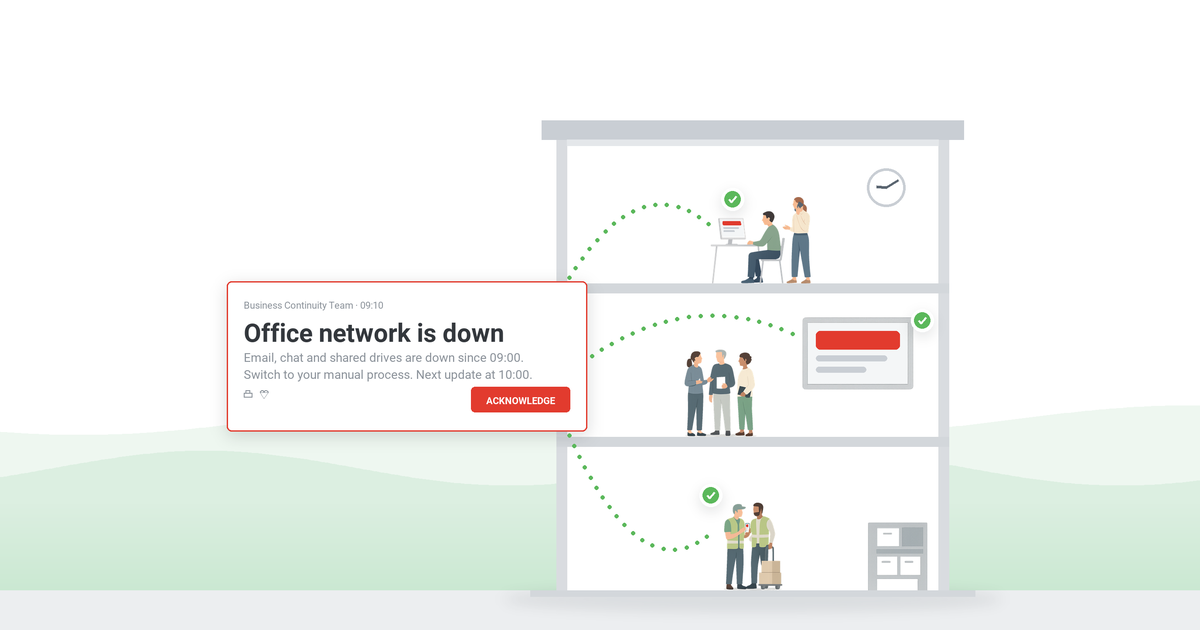
DeskAlerts solves the problem of email clutter by bypassing the inbox entirely. Its multi-channel delivery puts critical messages directly on employees’ screens and devices. Here’s how:
1. Desktop Pop-Ups
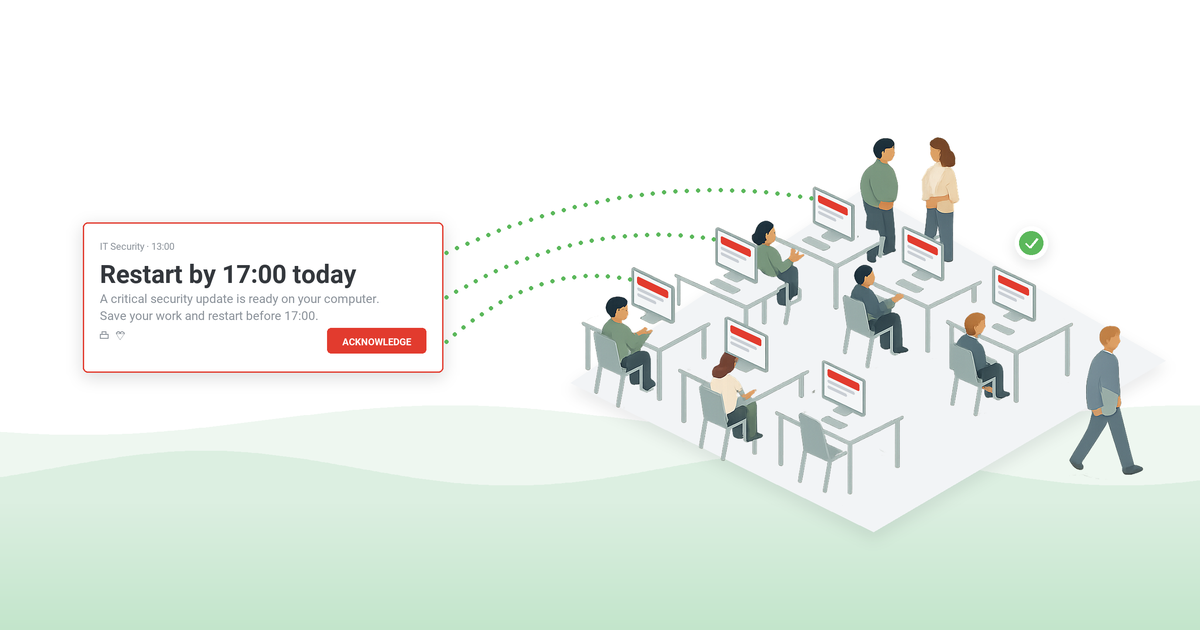
DeskAlerts displays notifications as pop-ups directly on employees' computer screens. Unlike emails, these alerts do not wait in an inbox, and they can require acknowledgment before they close.
2. Mobile Notifications
For remote or on-the-go employees, DeskAlerts sends notifications via SMS or mobile app push alerts. This way critical messages reach employees wherever they are without relying on email.
3. Digital Signage
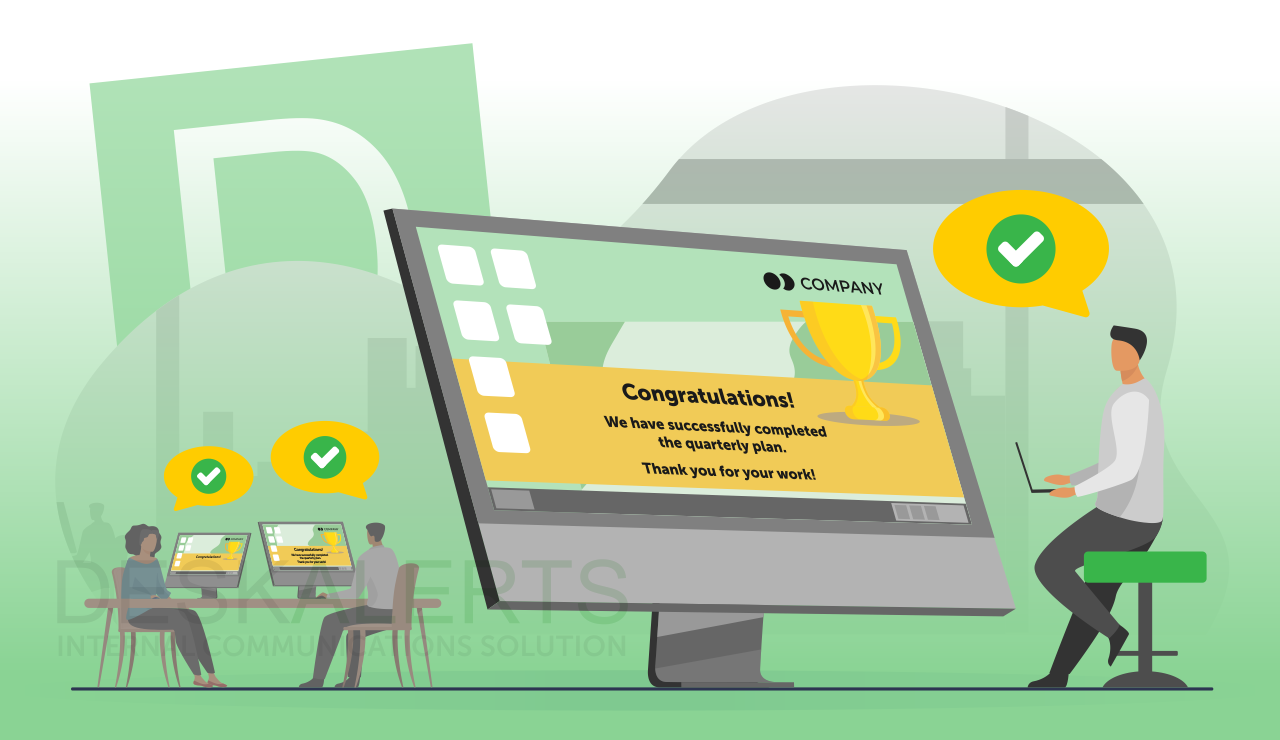
DeskAlerts integrates with digital signage systems to broadcast important updates in common areas like lobbies, cafeterias, or production floors. This adds an extra layer of visibility for employees who may not be actively checking devices.
Digital signage can carry far more than urgent updates — from HR reminders and employee recognition to IT alerts and company performance results. For the full range of use cases, see our guide to digital signage for employee communications.
4. Email as a Secondary Channel
While DeskAlerts goes beyond traditional email, it can still deliver notifications to inboxes as a backup channel. This ensures redundancy, particularly for employees who prefer email communication.
How Does DeskAlerts Keep Messages Visible Across Distributed Teams?
DeskAlerts can send one alert to computers and to the mobile app simultaneously, so that critical information reaches desk-based and frontline employees. Here’s how it achieves high visibility:
1. Multi-Channel Reach
DeskAlerts uses a variety of delivery methods—desktop, mobile, email, and digital signage—to ensure comprehensive coverage. Employees receive messages through multiple channels, increasing the likelihood of engagement.
2. Acknowledgment Tracking
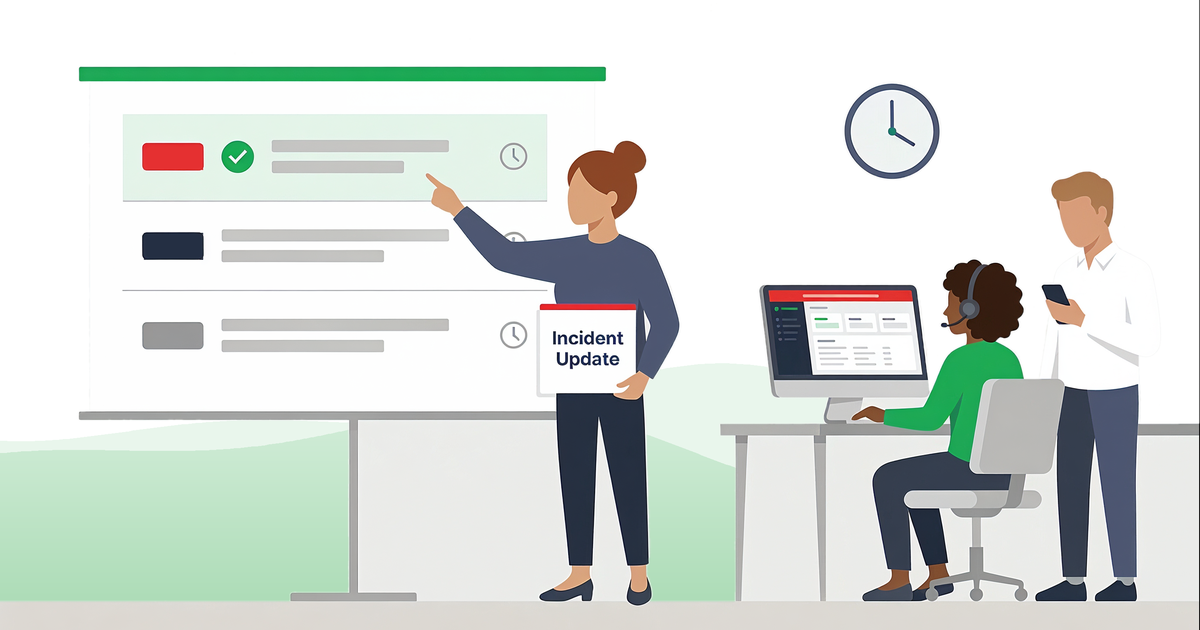
One of DeskAlerts' most powerful features is acknowledgment tracking. This tool records by name who has received and who has acknowledged each alert. Managers can:
- Track message delivery rates in real time.
- Identify employees who haven’t acknowledged the alert for follow-up action.
This makes communication gaps visible early enough to close them.
3. Targeting by Location
DeskAlerts allows organizations to send messages to specific groups or locations. For example, employees in one office might receive an alert about a building evacuation, while others in unaffected locations don’t. This targeted approach ensures that only relevant messages are delivered, reducing clutter and increasing engagement.
4. Priority Messaging
With DeskAlerts, critical messages can be marked as high-priority. These alerts appear on top of all open windows. Sending routine news as a scrolling ticker helps prevent alert fatigue.
Key Benefits of DeskAlerts for Increasing Open Rates
DeskAlerts offers several features and benefits that directly address the challenges of low engagement and visibility:
1. Immediate Delivery
DeskAlerts delivers messages to active recipients within seconds.
2. Near-100% Visibility
Unlike emails that can be ignored or deleted, DeskAlerts uses persistent alerts that remain on-screen until acknowledged.
3. Reduced Clutter
By bypassing the inbox, DeskAlerts eliminates the issue of important messages getting lost among less critical communications.
4. Improved Accountability
With acknowledgment tracking, each confirmation is documented by name, which provides a clear basis for accountability.
5. Enhanced Reach for Dispersed Teams
DeskAlerts ensures consistent communication across remote, hybrid, and in-office employees, regardless of their location or device preferences.
Best Practices for Maximizing Open Rates with DeskAlerts
To get the most out of DeskAlerts, organizations should follow these best practices:
1. Segment Your Audience
Send targeted notifications to specific groups or departments to ensure relevance. For example, IT alerts about system maintenance should go only to employees who need to act on them.
2. Use Clear and Concise Messaging
Craft messages that are short, actionable, and easy to understand. Avoid lengthy text or unnecessary jargon.
3. Leverage Templates
DeskAlerts provides pre-designed templates for various scenarios, such as emergencies, compliance updates, or general announcements. Using templates saves time and ensures consistent formatting.
4. Monitor Engagement Metrics
Regularly analyze acknowledgment rates and delivery reports to refine your notification strategy. Identify patterns and adjust timing, frequency, or content as needed.
5. Train Employees
Educate your workforce on how DeskAlerts works and the importance of engaging with notifications. This ensures smooth adoption and improved response rates.
***
In an era of information overload, ensuring your critical updates are seen and acted upon is essential for organizational success. DeskAlerts provides a comprehensive solution to cut through email clutter, deliver notifications within seconds, and send one consistent message to dispersed teams without intermediaries.
With features like multi-channel delivery, acknowledgment tracking, and priority messaging, DeskAlerts transforms the way organizations communicate, improving open rates and engagement across the board.
Ready to take your internal communication to the next level? Request a demo today and discover how DeskAlerts can help your organization achieve better visibility and engagement with critical alerts.


 Milana Graf
 Steve Wilson: Oct 12, 2026, 9:07:00 AM