Are you using multiple communication systems within your organization that are clunky, no longer fit-for-purpose, cause you to double up processes, or just slow down your work?
Did you know that you can take your company to the next level by overhauling your communications processes and embedding an enterprise communication system in order to streamline your work processes?
These systems will help with internal information sharing, boost collaboration among employees and help you work better with your clients and stakeholders.
Table of Contents
Why you need an enterprise communication system
Exploring different types of enterprise communication solutions
-
Cloud-based enterprise communication solutions
-
Unified Communications as a Service (UCaaS)
-
Enterprise communication systems for critical internal announcements
-
Collaboration platforms with in-app messaging
-
Communication APIs
Why you need an enterprise communication tool
There’s a saying that “modern problems require modern solutions” and this very much applies when it comes to transforming enterprise communication processes.
The modern workplace continues to change at a rapid pace, driven by technology, and to ensure your people are well informed, you need adequate communication in enterprise systems that will allow you to keep up with the pace of change.
Just as the fax machine has become obsolete, phone calls and emails aren’t always going to cut it when it comes to informing your employees and fostering a culture of meaningful collaboration and information sharing.
An enterprise communication system is when you integrate different types of communications channels and tools that you use within your organization, usually via a software product that can be used to provide a consistent user experience and interface designed to improve communication. It can encompass everything from broadcasting messages to all employees to one-on-one communication or group collaboration.
Organizations may use one system or use several in conjunction with one another, depending on their needs.
The benefits of investing in an enterprise communication system include:
- Boosting productivity
- Strengthening collaboration
- Breaking down information silos
- Being able to integrate systems with new digital tools
- Creating a digital workplace
- Managing employees’ expectations, you will provide appropriate digital tools
- Increased flexibility in communications
- Accessibility, no matter where employees are located
- Can easily be accessed if employees work remotely
- Reduced costs compared to traditional telephony
- Less administration and maintenance requirements.
Exploring different types of enterprise communication solutions and tools
If you recognize that your organization should adopt an enterprise communication system, there are a few different options to consider.
1. Cloud-based enterprise communication solutions
A recent Gartner report found that 90% of IT executives plan to soon stop investing in on-premises communications infrastructure such as telephony and messaging services.
This is in response to rapidly changing business needs with companies working across different time zones, geographic locations, and the rise of remote work and mobile telephony.
Cloud-based enterprise communication systems allow organizations to host their infrastructure “in the cloud” - off-site in multiple locations where they can be backed up and protected, freeing up on-premises resources. This can be anything from telephony to other types of communication platforms.
Learn more about the cloud communication system.
2. Unified Communications as a Service (UCaaS)
Unified communications as a service (UCaaS) is an enterprise communication system where all communications are streamlined via cloud delivery to let organizations be more flexible with their resources and expenditure.
UCaaS lets your organization unify its communications tools like voice, video, SMS, and chat in a more mobile way. Options such as Zoom or Skype fall into this category.
The service itself is hosted in the cloud, and organizations pay ongoing fees to use it. UCaaS prices will vary depending on the license types and structures and could either be a “per user” or “per month” arrangement.
3. Enterprise communication systems for critical internal announcements

Internal communication is just one aspect of an enterprise communications system, but it is one you can’t afford to ignore. Flooded and overloaded communication channels, such as email can often hamper communication in the enterprise. This means that when you need to send critical information that you can’t afford for your employees to miss or ignore, there’s a high likelihood it will be.
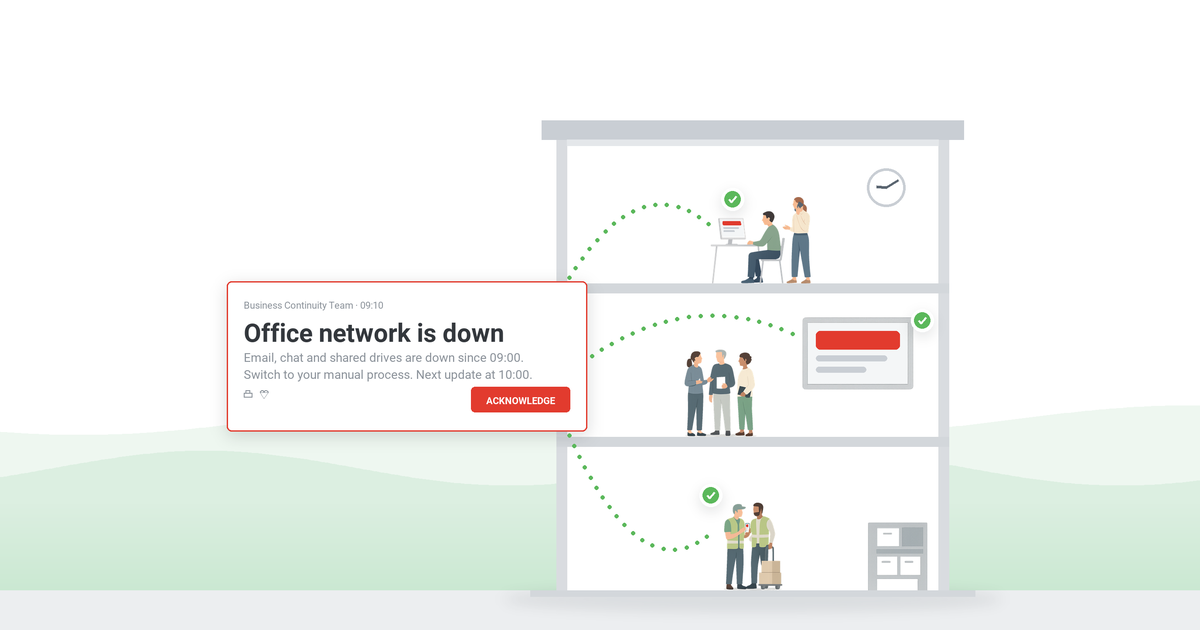
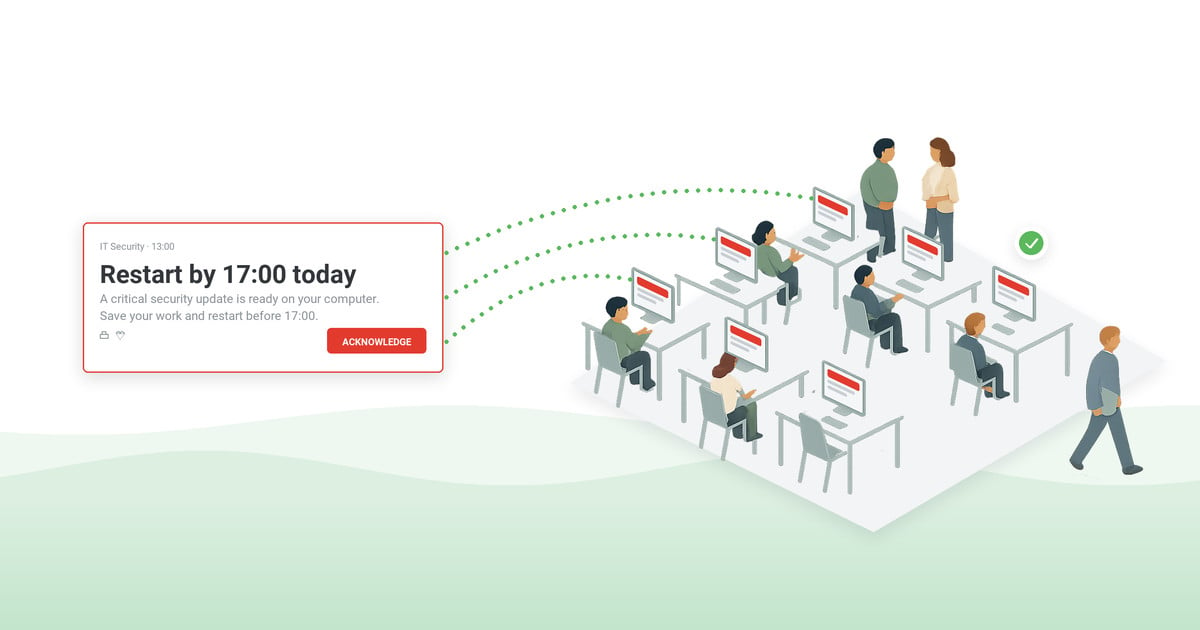
An enterprise communication system like DeskAlerts ensures near-100% visibility for all critical communications. This software solution bypasses other congested communication channels to deliver your information in a disruptive way, using different methods to target the right people at the right time. This includes workers who are located in the office or working remotely in the field or from home.
Delivery can be via a range of mediums such as pop-up alerts, scrolling tickers, lock screen alerts, corporate wallpaper, corporate screensavers, and more. You can send alerts to desktop computers or mobile devices, and you can also send video, images, pulse surveys, or RSVPs for events.
 Explore DeskAlerts enterprise communication software for reliable, scalable, and trackable alerting in any situation – from emergencies to routine maintenance and employee engagement.
4. Collaboration platforms with in-app messaging
Collaboration platforms have really come to the fore, with more organizations adopting them for teamwork and as an enterprise communication solution than ever before. Think of tools such as Teams, Slack, Asana, or Basecamp.
Each of these platforms has similar features: in general, this includes file sharing and team chats. To be an all-rounder enterprise communication system, these platforms would also include video chat, video conferencing, and instant messaging, which facilitate one-on-one and small-group communication.
5. Communication APIs
Sometimes communication in an enterprise is improved by making specific enhancements to software systems that are already in use within the organization. This can be done using an application programming interface (API) to add communication channels to that software.
Basically, it means developing computer code that connects the two different pieces of software together so they can be used as one. For example, it might mean that you can send chat messages from one platform to an offline user as an SMS.
***
Choosing an enterprise communication system for your organization comes down to determining the features you need and how you plan to use it. However, at the end of the day, whatever you choose should help fix any communications issues present within your company.
Still weighing platforms? Compare DeskAlerts to alternatives like AlertMedia, SnapComms, and Everbridge to find the right fit.

 Caroline Duncan

 Steve Wilson: Oct 12, 2026, 9:07:00 AM