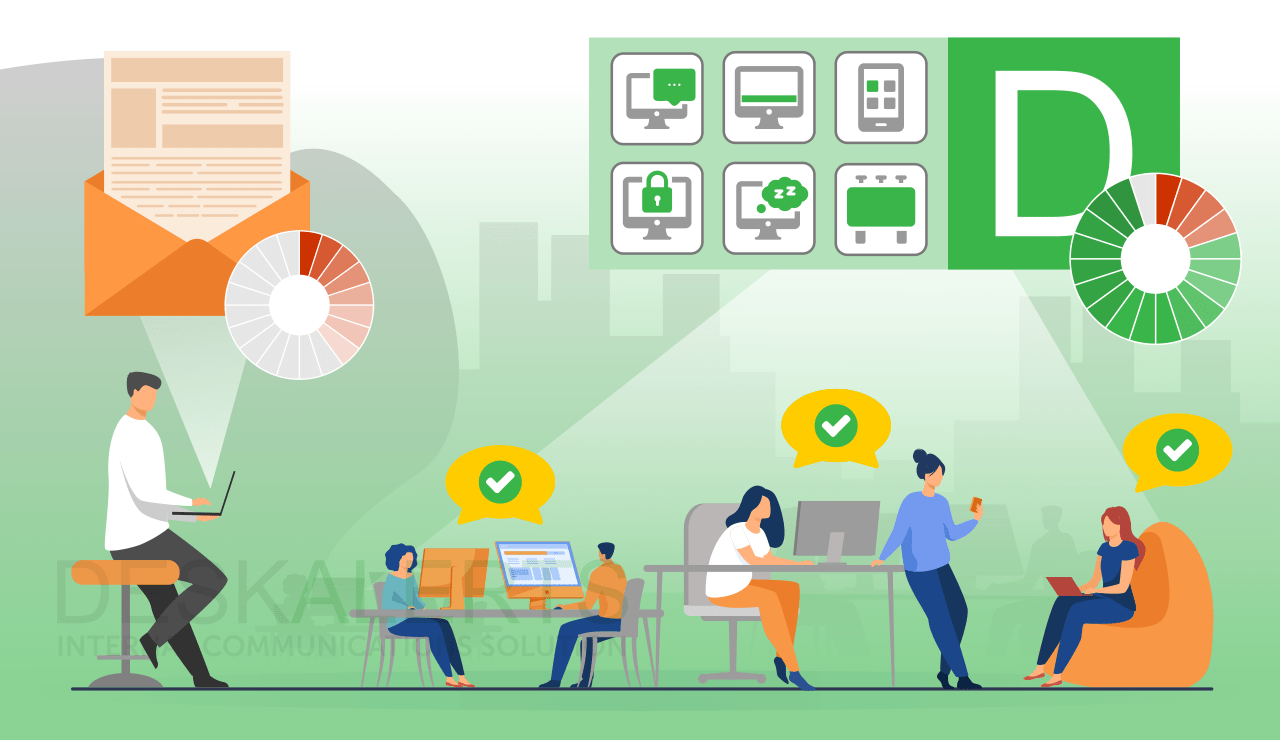
 Company newsletters have long been one of the cornerstones of internal communication in most organizations. They can be a useful way of sharing information from management to staff to ensure that they are kept up-to-date with news and important updates about the company.
However, newsletters aren’t always the best way of sharing information with staff – particularly if your organization isn’t using other tools or channels. Finding the right balance of information sharing can help your workforce to be more productive and your employees more engaged.
The pros and cons of internal newsletters
There are both advantages and disadvantages to using internal newsletters to share information with your staff.
The benefits include:
- It is an inexpensive way of communicating with employees.
- It doesn’t take a lot of effort to create a newsletter if you already have content you can repurpose.
- Helps to increase employee engagement.
According to Gallup's 2025 State of the American Workplace report, employee engagement in the US fell to its lowest level in a decade in 2024, with only 31% of employees engaged and 17% actively disengaged — a continuing downward trend from the 2020 peak of 36%.
- Can be used to communicate on a range of topics at once, including company and industry news, accomplishments, profiling employees, reminding about new policies and procedures, project milestones, and more.
- Helps to reinforce your internal branding.
- Helps to reinforce and enhance your company culture.
- Reduces the number of emails sent if you put multiple items in one newsletter.
Read more on the topic: Top 13 Employee Newsletter Ideas.
The disadvantages include:
- A lack of immediacy – sometimes there is a time lag between when something happens and when the newsletter is distributed.
- Low opening rates mean that important information may not be seen.
- Despite being one email as opposed to many, it still contributes to email overload.
- It can take a lot of time for some people to put a newsletter together.
- Email newsletters may not reach your non-desk worker employees.
Research consistently shows that a significant share of deskless and frontline workers lack corporate email addresses, making email-based newsletters effectively invisible to them.
According to Staffbase's 2025 research, deskless employees rate the communications they receive far worse than desk-based colleagues — with a 46-point satisfaction gap — in large part because the channels organizations rely on most simply don't reach them.
- Reading isn’t always people’s preferred way of receiving information. Video consistently outperforms text for employee communications.
According to Firstup's executive communications research, executive videos on internal platforms generate 4x the unique views of general content. Additionally, studies on retention show viewers recall up to 95% of a video message compared to approximately 10% when reading the same information as text.
Alternatives to email newsletters to try in your internal comms
Whether you have a newsletter or not, it is best practice to use different channels and tools to send information to your employees to increase the likelihood of them seeing and retaining the messages that you are sending. Here are some unique alternatives to newsletters for you to consider:
1. Video
As video content is an enormously popular way of receiving information, it makes sense to incorporate it into your internal communications strategy.
There are different types of video that you can produce: it might be an address from the CEO or other senior managers, through to creating short news-style stories or animations that will appeal to employees and share successes or outline new policies and procedures.
2. Virtual town halls
Videoconferencing and webinar software will let you broadcast livestreams to employees no matter where they are in the world, so that you can share important updates and take questions and answers directly from staff.
Good internal communication should include mechanisms for two-way communication, and this certainly ticks that box.
3. Pop-up alerts
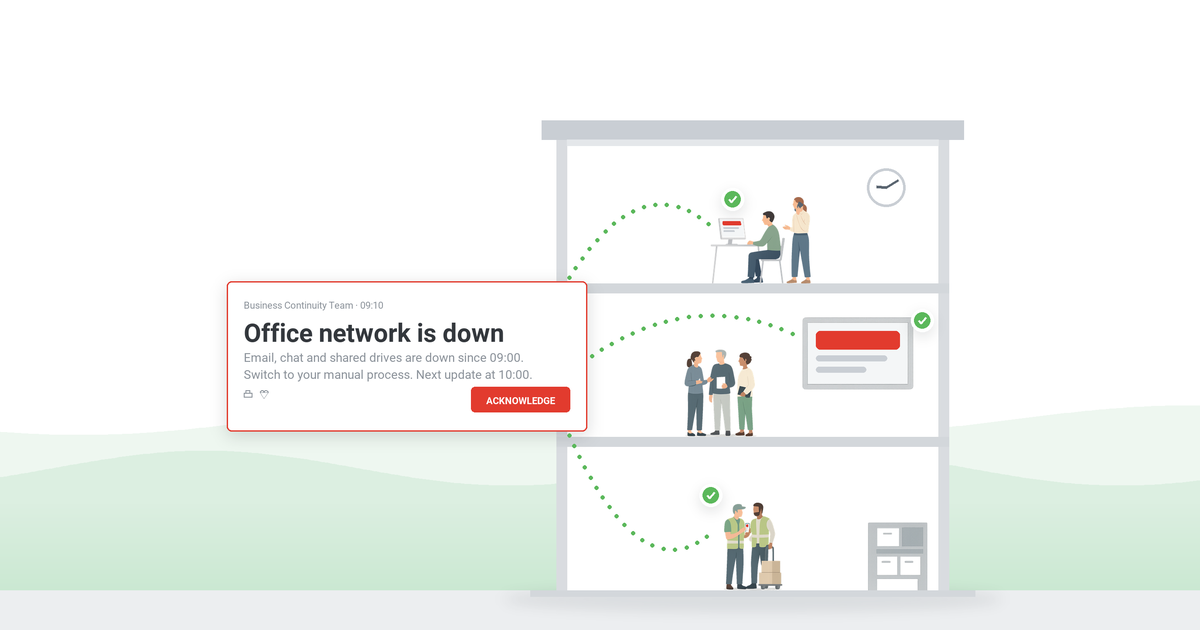
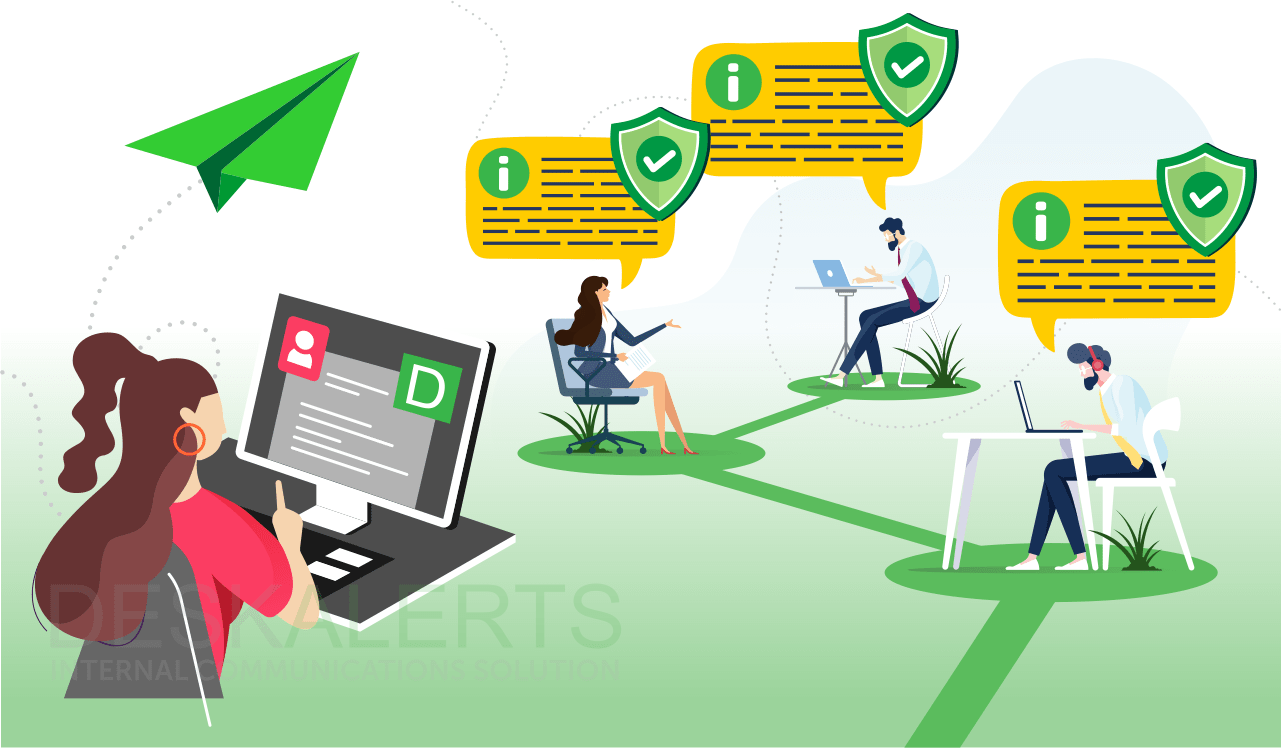
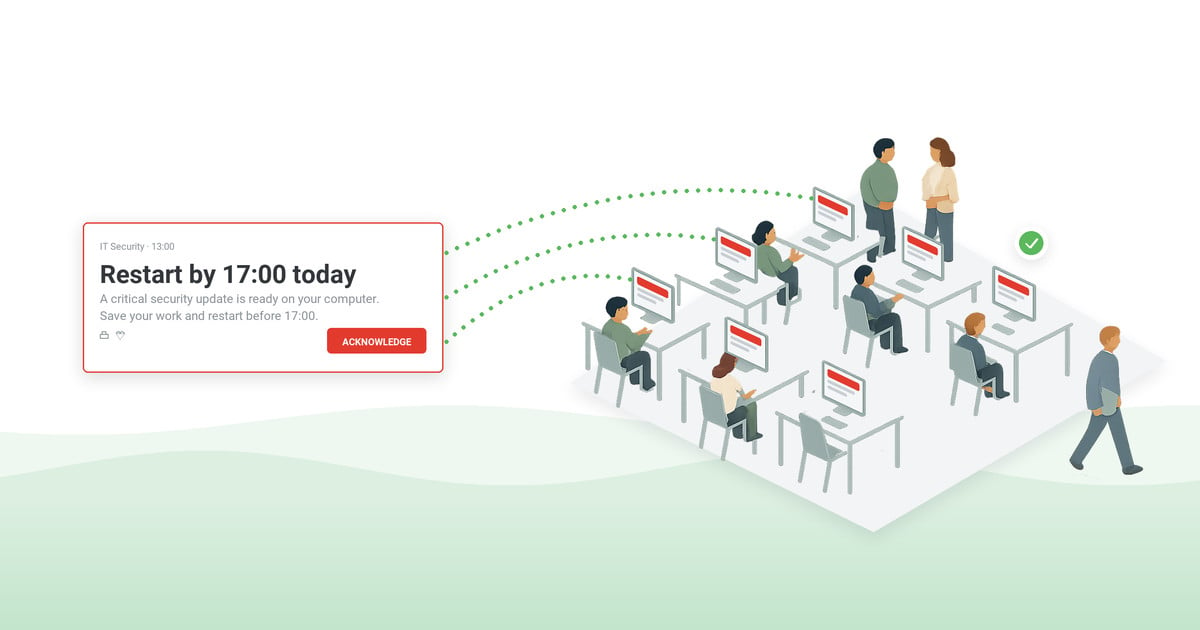
When you have news that can’t wait for a newsletter, or you don’t want to be lost to information overload, send it straight to employees’ desktops via a pop-up text box. This is one of the best alternatives to business newsletters for sending very important or urgent information. You can still send the information as an email, which can be used as a supplementary channel.
4. Digital signage displays
Turn screens within your organization into electronic billboards. Send eye-catching content aimed at employees on a range of different topics. These can be constantly updated to ensure that the information is current. Digital signage is one of the more modern alternatives to newsletters – they function in a similar way (in that a lot of different information is collated and sent at the same time), but it is a dynamic tool in that you can cull outdated information and keep displaying current information.
5. Corporate social media
Employees are used to using social media in their personal lives to share and receive information from friends and brands that they engage with. Having internal social media channels is a good way to share information and get employees to interact with one another, sharing their own news in return.
6. Employee apps
Employee app is a great way to reach all employees, no matter where they work or when they work. If you have any members of your workforce who don’t work in desk-based roles, you can reach them via their mobile or tablet devices, even if they don’t have a corporate email address. This means they will be just as informed and engaged as their desk-based peers.
7. Internal collaboration platforms
Used effectively, the range of internal collaboration platforms that have come to the fore over the past few years can be a great way to share information on a range of topics internally and break down information silos. Management can communicate with staff, and work teams can share information and plan work effectively within the same space.
***
Improving internal communication is important for your company to succeed and be a productive and profitable enterprise. If you’re looking to solve particular internal communication challenges within your organization and want to explore alternatives to sending newsletters, reach out to our friendly team of experts today to find out how DeskAlerts can help you achieve your goals.
Frequently asked questions
What to do instead of a newsletter
There are different alternatives to a company newsletter that you can try. This can include using apps, intranet content, blogging, corporate social networks, virtual townhalls, video content and more.
Are internal company newsletters effective?
Internal company newsletters can be an effective way of sharing important information within a company and keeping staff engaged.
What makes a good internal newsletter?
A good internal newsletter is one that is well written and contains relevant information to employees. It should be written in an engaging way, and include imagery as well as text, avoiding jargon and huge slabs of information.
Are newsletters still effective?
Newsletters can be an effective way of communicating important information, but it should be noted that they have limitations. People may not open them, or may not read all of the information contained.

 Caroline Duncan
 Steve Wilson: Oct 12, 2026, 9:07:00 AM